Choosing roofing materials isn’t just about looks and durability—local building codes also matter. These rules ensure safety and structural integrity while limiting material options. Understanding them can save you time and money. This guide covers the basics to help you make smart decisions.
What Are Local Building Codes?
Local building codes are regulations that guide construction projects, adapted from national standards to suit local conditions. They ensure safety, address environmental challenges, and align with urban planning. Since building codes vary depending on location, what’s allowed in one city may be restricted in another.
The main purposes of building codes include:
- Safety: Protecting people and property by establishing standards for construction.
- Durability: Ensuring structures can endure local weather conditions over time.
- Environmental Compliance: Promoting sustainable practices and minimizing environmental impact.
Climate and Regional Considerations
Local weather conditions play a significant role in shaping roofing regulations, as different climates require specific materials to ensure durability and safety. In coastal and hurricane-prone areas, building codes often mandate wind-resistant materials like asphalt shingles or metal roofs with secure fasteners to withstand strong storms.
Snowy and cold climates typically require roofing materials capable of handling heavy loads, such as durable metal roofs that shed snow easily, along with insulation standards to prevent ice dams.
In hot and arid regions, reflective materials like white or “cool roofs” are commonly required to reduce heat absorption, with some municipalities enforcing environmental codes to lower urban heat.
Sustainability and Environmental Codes
With environmental awareness on the rise, many local building codes now include provisions for eco-friendly and energy-efficient roofing options. Some areas require or encourage the use of reflective roofing materials to improve energy efficiency by lowering cooling costs through sunlight reflection. Codes in certain regions also support the integration of solar panels, ensuring roofs can safely accommodate them.
Additionally, eco-friendly materials like recycled metal or sustainable wood shakes may be recommended or required to reduce environmental impact. These building codes promote eco-conscious decisions while aligning with broader urban sustainability goals.
Fire and Safety Regulations
Fire safety plays a crucial role in building codes, particularly in wildfire-prone areas. Roofs made from non-combustible materials, such as clay tiles, metal sheets, or concrete shingles, are often required to minimize fire risk.
Many states mandate roofing materials to meet Class-A fire ratings, the highest standard for fire resistance, while some codes require fire-retardant treatments to enhance safety. These regulations are designed not only to protect individual homes but also to prevent the spread of wildfires and safeguard neighboring properties.
Structural Requirements
A roof isn’t just a cosmetic addition to your home—it’s a load-bearing structure that must align with the building’s framework to ensure safety and compliance with local codes. These codes address structural compatibility to prevent compromising the building’s integrity.
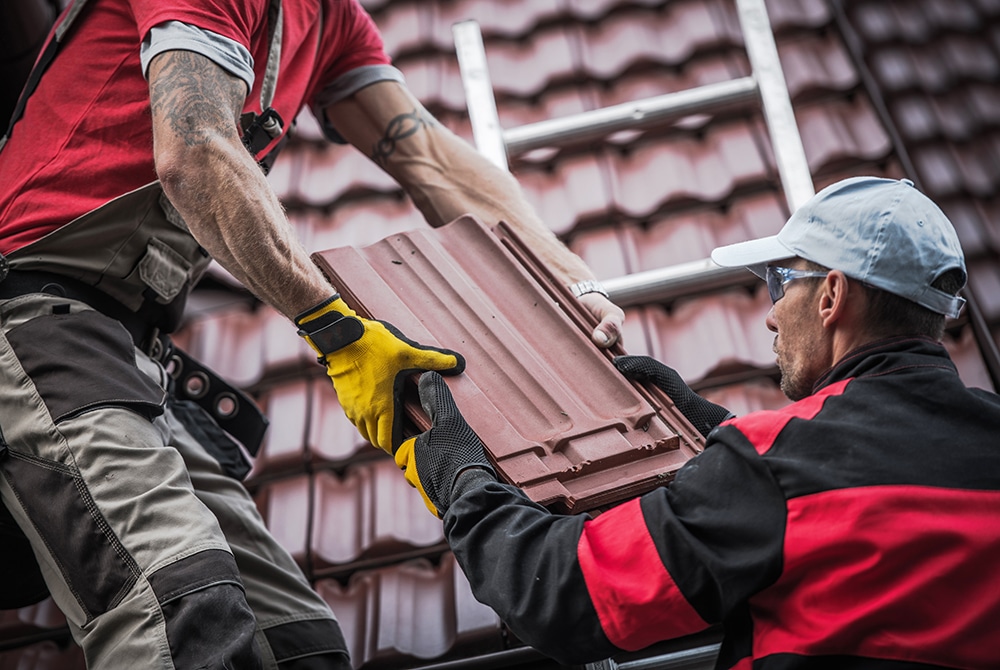
For instance, some materials, like slate or terracotta tiles, are much heavier than others and may require additional structural support, with weight limits often set to avoid excessive strain on the framework.
For older or heritage homes, local codes may include provisions to preserve the original aesthetic while meeting modern safety standards. Understanding these structural codes is essential for a safe and compliant roofing project.
Make Codes Work for You
Understanding local building codes is a critical first step in any roofing project. These regulations not only shape your material options but also safeguard your home and environment. By staying informed, aligning your choices with codes, and partnering with knowledgeable contractors, you can achieve a roof that balances aesthetics, durability, and compliance.